
Introduction
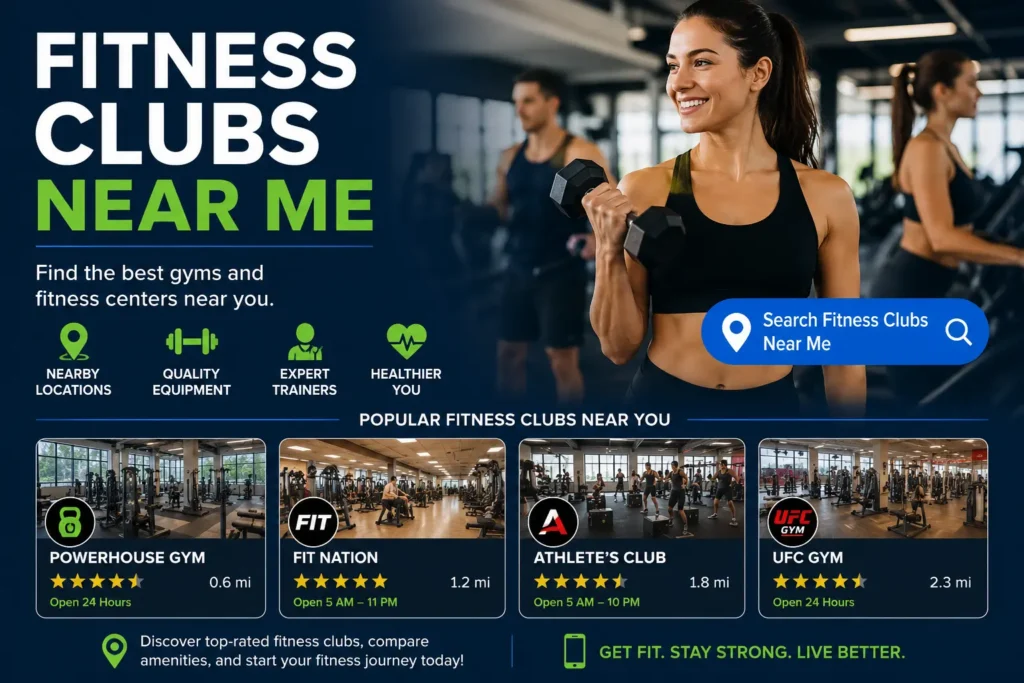
Searching for fitness clubs near me often starts with a simple goal. Some people want to lose weight, while others want to build strength, improve endurance, or stay active throughout the year. However, many modern fitness enthusiasts are moving beyond traditional gym workouts and choosing functional training as a smarter way to exercise.
FITNESS CLUB NEAR ME
Functional training focuses on movements that support daily activities. Instead of isolating a single muscle group, it trains the body to work as a complete system. Whether you are a student carrying a heavy backpack across campus or an adult balancing work and family responsibilities, functional training can help improve strength, mobility, balance, and overall fitness.
This guide explains what functional training is, why it has become popular, and how to choose the right fitness club for your needs.
Table of Contents
- What Is Functional Training
- Why Fitness Clubs Are Offering Functional Training
- Benefits for Students and Adults
- What to Look for in Fitness Clubs Near Me
- Common Functional Training Exercises
- Real World Success Example
- Common Mistakes to Avoid
- Best Practices for Long Term Results
- Frequently Asked Questions
- Conclusion
- Call to Action
What Is Functional Training
Functional training is a style of exercise designed to improve the way your body performs everyday tasks. The exercises mimic natural movements such as lifting, pushing, pulling, squatting, twisting, and reaching.
FITNESS CLUB NEAR ME
Unlike traditional workouts that may focus only on appearance, functional training aims to improve practical strength and movement quality.
Key Characteristics of Functional Training
- Uses multiple muscle groups at the same time
- Improves coordination and balance
- Enhances mobility and flexibility
- Builds real world strength
- Reduces the risk of injuries
For example, a squat helps strengthen the same movement pattern used when sitting down or standing up from a chair.
Why Fitness Clubs Are Offering Functional Training
Many fitness clubs have recognized that members want more than rows of exercise machines. People are looking for workouts that fit their daily lives and produce measurable results.
Functional training classes often include:
Strength Circuits
These sessions combine bodyweight movements, resistance bands, kettlebells, and free weights to improve overall fitness.
Mobility Sessions
Mobility focused classes help improve joint health, posture, and movement quality.
Group Functional Fitness
These classes create an energetic environment where participants work together through structured workouts.
Fitness clubs that offer these programs often attract members who want a balanced approach to health and performance.
Benefits for Students and Adults
Functional training provides advantages for people at different stages of life.
Benefits for Students
Students spend long hours sitting in classrooms, libraries, or studying at home. This lifestyle can contribute to poor posture and reduced physical activity.
Functional training can help students:
- Improve posture
- Increase energy levels
- Enhance athletic performance
- Build confidence
- Reduce physical stress from long study sessions
A college student who participates in functional workouts three times per week may notice improved endurance during sports and better concentration throughout the day.
Benefits for Adults
Adults often face busy schedules, work demands, and family responsibilities.
Functional training supports adults by:
- Improving strength for daily activities
- Enhancing balance and coordination
- Supporting healthy aging
- Increasing flexibility
- Reducing the likelihood of movement related injuries
Many adults find that simple activities such as climbing stairs, carrying groceries, or lifting household items become easier after consistent training.
What to Look for in Fitness Clubs Near Me
When comparing fitness clubs near me, it is important to look beyond equipment and membership prices.
Qualified Trainers
A good functional training program should be led by knowledgeable instructors who understand movement mechanics and exercise progression.
Clean and Safe Environment
Safety should always be a priority. Equipment should be maintained properly, and workout spaces should be clean and organized.
Variety of Programs
Look for clubs that offer multiple training options including strength training, mobility sessions, group fitness classes, and recovery programs.
Supportive Community
A welcoming environment often improves consistency and motivation. Members are more likely to stay committed when they feel comfortable and supported.
Flexible Scheduling
Students and working professionals benefit from clubs that provide morning, evening, and weekend sessions.
Common Functional Training Exercises
Most functional training programs include movement patterns that support daily life.
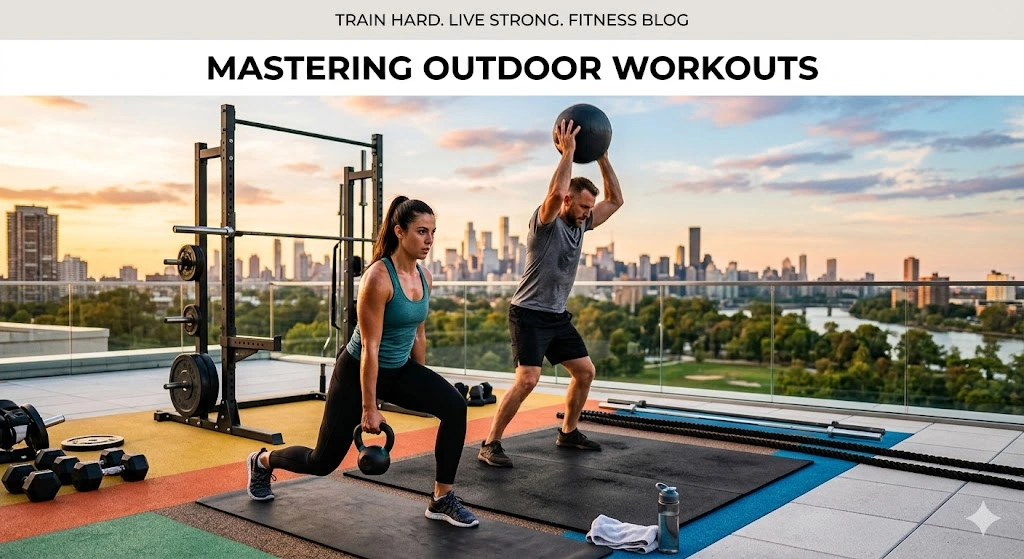
Squats
Strengthen the legs and improve lower body mobility.
Lunges
Enhance balance, stability, and coordination.
Push Ups
Develop upper body strength and core control.
Deadlifts
Teach safe lifting mechanics while strengthening the back and lower body.
Planks
Improve core stability and posture.
Farmer Carries
Build grip strength and total body endurance while mimicking real life carrying tasks.
Real World Success Example
Consider an office professional who spends eight hours each day at a desk. After joining a fitness club and participating in functional training three times per week, noticeable improvements may occur within a few months.
Many individuals report:
- Better posture
- Increased energy
- Less lower back discomfort
- Improved confidence during physical activities
The results are often practical rather than purely cosmetic, making functional training a sustainable long term fitness solution.
Common Mistakes to Avoid
Ignoring Proper Form
Poor technique can reduce effectiveness and increase injury risk.
Training Too Hard Too Soon
Progress should be gradual. Consistency is more important than intensity during the early stages.
Skipping Recovery
Muscles need time to recover and adapt.
Neglecting Mobility Work
Flexibility and mobility are important components of functional fitness.
Chasing Quick Results
Sustainable fitness improvements come from regular effort over time.
Best Practices for Long Term Results
Follow a Structured Program
A clear training plan helps track progress and maintain motivation.
Focus on Movement Quality
Good movement patterns create a stronger foundation for future gains.
Stay Consistent
Three to four sessions per week can produce significant improvements.
Support Training with Nutrition
Balanced meals and proper hydration support recovery and performance.
Monitor Progress
Track strength, endurance, mobility, and overall wellness rather than focusing only on body weight.
Frequently Asked Questions
What is the main purpose of functional training?
Functional training improves movements used in everyday life by developing strength, balance, coordination, and mobility.
Are fitness clubs near me suitable for beginners?
Yes. Most fitness clubs offer beginner friendly programs and trainer guidance to help new members start safely.
How often should I do functional training?
Most people benefit from two to four sessions per week, depending on their goals and fitness level.
Can functional training help with weight management?
Yes. Functional workouts can increase calorie expenditure while building muscle and improving overall fitness.
Is functional training better than traditional gym workouts?
Neither approach is universally better. Functional training focuses on practical movement and overall performance, while traditional workouts may target specific muscle groups.
Conclusion
Finding the right fitness clubs near me can make a significant difference in your health and fitness journey. Clubs that offer functional training provide a practical way to build strength, improve mobility, and enhance everyday performance. Whether you are a student looking for more energy or an adult seeking long term wellness, functional training offers benefits that extend far beyond the gym floor.
The key is choosing a club that aligns with your goals, provides qualified guidance, and supports consistent progress over time.
CTA
If you are exploring fitness clubs near me, consider visiting facilities that offer functional training programs. Ask questions, observe classes, and try a session to see whether the environment and coaching style fit your personal fitness goals.