

Introduction
Starting fitness training can feel exciting and confusing at the same time. Many students and gym enthusiasts walk into a gym with motivation but no clear direction. After a few weeks, they either lose consistency or stop seeing results because their routine lacks structure.
A proper gym workout plan gives your training purpose. It helps you build strength, improve endurance, stay disciplined, and avoid wasting time on random exercises. Whether your goal is muscle growth, fat loss, or overall fitness, the right training approach matters more than simply spending hours inside the gym.
This guide explains how fitness training works, how to create a realistic gym routine, common mistakes beginners make, and practical methods that actually help people stay consistent for the long term.
Table of Contents
- What Is Fitness Training
- Why a Structured Gym Workout Plan Matters
- Types of Fitness Training
- Best Gym Workout Plan for Students
- Weekly Workout Split Example
- Common Gym Mistakes to Avoid
- Nutrition and Recovery Tips
- How to Stay Consistent With Fitness Training
- FAQ
- Conclusion

What Is Fitness Training
Fitness training is a planned approach to improving physical health through exercise, movement, strength work, endurance training, and recovery habits.
Many people think fitness training only means lifting heavy weights. In reality, it includes several important areas such as:
Strength Training
This focuses on building muscle and improving overall body power through exercises like squats, bench press, deadlifts, and pull ups.
Cardiovascular Training
Cardio improves heart health and stamina. Running, cycling, rowing, and brisk walking are common examples.
Flexibility and Mobility
Stretching and mobility exercises improve joint movement and reduce stiffness. This becomes especially important for students who sit for long study hours.
Functional Training
Functional exercises improve movements used in daily life. These workouts help with balance, posture, coordination, and injury prevention.
Why a Structured Gym Workout Plan Matters
Walking into the gym without a plan often leads to inconsistent results. A structured routine helps track progress and ensures every workout supports your goal.
Better Progress Tracking
When you follow a proper plan, you can monitor strength improvements, body composition changes, and workout performance over time.
For example, if a student starts with 10 push ups and reaches 30 after two months, the progress becomes measurable and motivating.
Reduced Risk of Injury
Random exercises performed with poor technique increase the chance of injury. Structured fitness training focuses on proper movement patterns and balanced recovery.
Improved Time Management
Students often struggle to balance classes, assignments, and fitness. A planned gym workout helps maximize results even with limited time.
A focused 60 minute workout is usually more effective than two hours of unplanned training.
Types of Fitness Training
Different goals require different training methods. Understanding these categories helps create a better gym workout plan.
Muscle Building Training
This type of training focuses on hypertrophy, which means increasing muscle size. Moderate weights and controlled repetitions are commonly used.
Best Exercises
- Bench Press
- Dumbbell Shoulder Press
- Barbell Squats
- Pull Ups
- Romanian Deadlifts
Fat Loss Training
Fat loss programs combine strength workouts with cardio and calorie control.
Effective Methods
- Circuit training
- High intensity interval training
- Moderate cardio sessions
- Compound strength exercises
Strength Focused Training
Strength programs prioritize lifting heavier weights with lower repetitions.
Powerlifters and advanced gymrats often follow this style to improve maximum lifting performance.
Best Gym Workout Plan for Students
Students usually need a routine that fits around study schedules and daily responsibilities.
Here is a practical beginner friendly weekly plan.
Weekly Workout Split Example
Monday: Chest and Triceps
Exercises:
- Bench Press
- Incline Dumbbell Press
- Chest Fly Machine
- Tricep Pushdowns
- Overhead Tricep Extensions
Tuesday: Back and Biceps
Exercises:
- Lat Pulldown
- Seated Cable Rows
- Dumbbell Rows
- Barbell Curls
- Hammer Curls
Wednesday: Active Recovery
Light cardio, stretching, and mobility work.
Thursday: Legs
Exercises:
- Squats
- Leg Press
- Walking Lunges
- Leg Curls
- Calf Raises
Friday: Shoulders and Core
Exercises:
- Shoulder Press
- Lateral Raises
- Rear Delt Fly
- Planks
- Hanging Leg Raises
Saturday: Full Body Conditioning
Short circuits using bodyweight and cardio exercises.
Sunday: Rest Day
Recovery is important for muscle repair and long term progress.
Common Gym Mistakes to Avoid
Many beginners slow down their progress because of simple mistakes.
Training Without Proper Form
Lifting heavy weights with poor form increases injury risk and reduces muscle activation.
A lighter weight performed correctly is always better than an ego lift.
Ignoring Recovery
Muscles grow during recovery, not during workouts. Poor sleep and overtraining lead to fatigue and slower progress.
Most people need at least seven hours of sleep for effective recovery.
Copying Advanced Athletes
Students often copy routines from professional bodybuilders online without understanding the years of experience behind those programs.
A simpler routine with consistent effort usually works better for beginners.
Skipping Leg Day
This is one of the most common gym mistakes. Strong legs improve athletic performance, balance, posture, and overall physique.
Nutrition and Recovery Tips
Fitness training is not only about workouts. Nutrition and recovery play a huge role in results.
Eat Enough Protein
Protein supports muscle recovery and growth.
Good protein sources include:
- Eggs
- Chicken
- Paneer
- Fish
- Greek yogurt
- Lentils
Stay Hydrated
Even mild dehydration affects workout performance and energy levels.
Carry a water bottle during gym sessions and drink regularly throughout the day.
Focus on Consistency Over Perfection
Many students quit after missing a few workouts. Long term consistency matters more than short periods of extreme motivation.
How to Stay Consistent With Fitness Training
Motivation changes from week to week. Discipline and routine keep progress moving.
Set Realistic Goals
Instead of chasing dramatic transformations, focus on small improvements.
Examples:
- Improve strength gradually
- Lose fat steadily
- Increase workout consistency
- Improve stamina
Train With Friends
Workout partners improve accountability and make gym sessions more enjoyable.
Track Progress
Take progress photos, record workouts, and monitor strength increases.
Visible improvement keeps motivation high.
FAQ
What is the best fitness training routine for beginners?
A balanced routine with strength training, cardio, and rest days works best for beginners. Focus on consistency before increasing workout intensity.
How many days should students go to the gym?
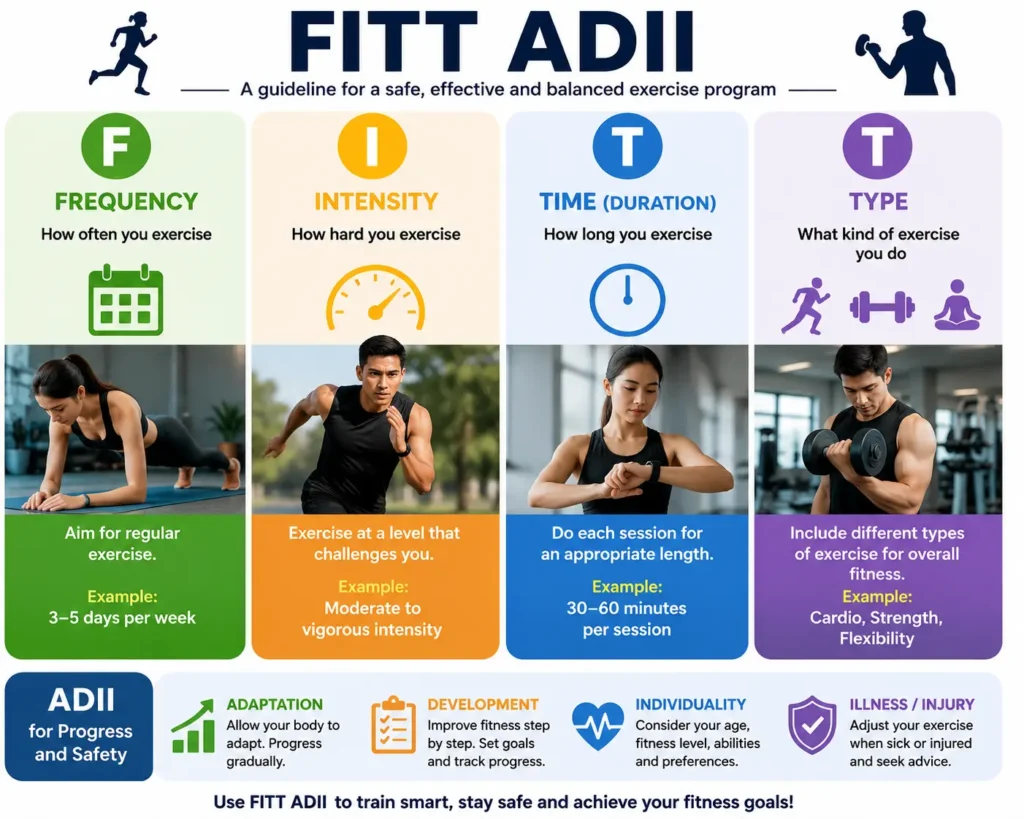
Most students can make good progress with four to five workout sessions per week.
Is cardio necessary in a gym workout plan?
Yes. Cardio improves heart health, stamina, and recovery while supporting fat management.
How long should a workout session last?
A focused workout between 45 and 75 minutes is usually enough for most fitness goals.
Can fitness training help with mental focus?
Yes. Regular exercise improves concentration, reduces stress, and supports better energy levels during study sessions.
Conclusion
Fitness training is not about perfection or extreme routines. It is about building healthy habits that improve strength, energy, confidence, and long term health. A proper gym workout plan helps students and gym enthusiasts train with purpose instead of relying on random exercises.
The best results come from consistency, proper recovery, balanced nutrition, and realistic expectations. Small improvements repeated every week eventually create noticeable transformation.
CTA
If you are serious about improving your fitness, start with a simple routine, stay patient, and focus on steady progress. The gym rewards consistency more than shortcuts.