

Introduction
Gym training means different things to different people. For some, it is about building muscle and strength. For others, it is about improving health, confidence, and daily energy levels. No matter the goal, the right routine makes a huge difference.
One common mistake many beginners make is copying random workouts from social media without understanding recovery, exercise selection, or consistency. A good gym training plan should match your fitness level, schedule, and long term goals. The best gym training routine is not the most complicated one. It is the one you can follow consistently while making steady progress.
Whether you are trying to gain muscle, lose fat, or simply feel stronger, this guide will help you understand how effective gym training actually works in real life.
Table of Contents
- What Is Gym Training
- Why Following a Structured Routine Matters
- Best Gym Training Routine for Beginners
- Best Weekly Workout Split
- Strength Training vs Muscle Building
- Common Gym Training Mistakes
- Nutrition and Recovery Tips
- How to Stay Consistent in the Gym
- FAQ Section
- Conclusion
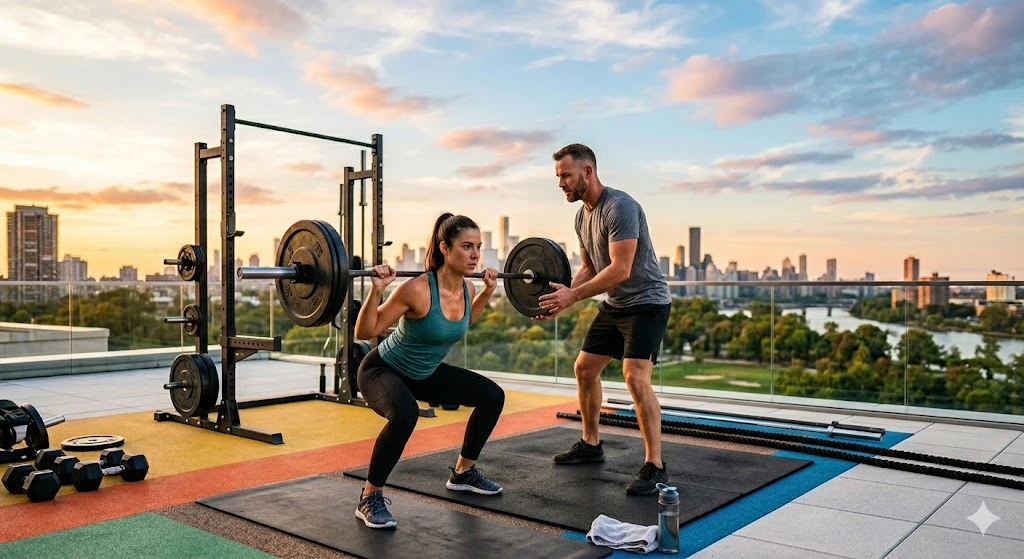
What Is Gym Training
Gym training is a structured form of exercise that improves strength, endurance, flexibility, and body composition using equipment such as weights, machines, resistance bands, and cardio tools.
A proper training routine usually includes:
Strength exercises
These improve muscle power and overall body strength.
Cardiovascular training
This improves heart health and stamina.
Mobility work
Stretching and mobility exercises help reduce stiffness and improve movement quality.
Recovery
Rest is where actual muscle repair and growth happen.
Many experienced trainers agree that balanced training creates better long term results than extreme routines.
Why Following a Structured Routine Matters
Walking into the gym without a plan often leads to wasted time and slow progress.
A structured routine helps you:
Track Progress Properly
You can measure improvements in strength, endurance, and body composition.
Prevent Overtraining
Training too hard every day can lead to fatigue and injury.
Improve Workout Efficiency
A planned routine keeps your sessions focused and productive.
For example, one beginner may spend two hours doing random exercises with little progress. Another person trains for 50 minutes with a clear routine and sees visible changes within months.
Consistency usually beats intensity.



Best Gym Training Routine for Beginners
If you are new to gym training, full body workouts are often the smartest place to start.
Beginner Full Body Routine
Day 1
Squats
Push ups
Lat pulldown
Dumbbell shoulder press
Plank
Day 2
Deadlifts
Bench press
Seated row
Walking lunges
Leg raises
Day 3
Goblet squats
Incline dumbbell press
Cable row
Dumbbell curls
Tricep pushdowns
This style of training works well because beginners recover faster from moderate full body sessions compared to heavy split routines.
Focus on learning proper form before increasing weight.
Best Weekly Workout Split
As your experience grows, workout splits become more useful.
Push Pull Legs Routine
This is one of the most effective gym training systems for muscle growth and recovery.
Push Day
Chest
Shoulders
Triceps
Pull Day
Back
Biceps
Leg Day
Quadriceps
Hamstrings
Glutes
Calves
Many experienced lifters prefer this structure because it balances training volume and recovery efficiently.
Upper Lower Split
Another effective option includes:
Upper Body Day
Chest
Back
Shoulders
Arms
Lower Body Day
Legs
Core
This split works especially well for busy people who can only train four days per week.
Strength Training vs Muscle Building
People often confuse strength training with bodybuilding, but they are slightly different.
Strength Focused Training
Uses heavier weights with fewer repetitions.
Typical rep range:
4 to 6 reps
Main goal:
Increase lifting performance and overall strength.
Muscle Building Training
Uses moderate weight with controlled volume.
Typical rep range:
8 to 12 reps
Main goal:
Increase muscle size and shape.
Most gym training programs combine both methods because they support each other.

Common Gym Training Mistakes
Even motivated gym members make mistakes that slow progress.
Skipping Warm Ups
Cold muscles are more likely to get injured. A simple 5 to 10 minute warm up improves performance.
Training Too Much
More workouts do not always mean better results. Recovery matters.
Ignoring Nutrition
Poor eating habits can limit muscle growth and fat loss.
Ego Lifting
Using weights that are too heavy usually leads to poor form and injuries.
Changing Routines Too Often
Many people quit routines before results appear. Good training requires patience.
Nutrition and Recovery Tips
Training hard without proper recovery is like trying to drive a car without fuel.
Prioritize Protein
Protein supports muscle repair and recovery.
Good sources include:
Eggs
Chicken
Fish
Greek yogurt
Paneer
Lentils
Stay Hydrated
Even mild dehydration can reduce gym performance.
Sleep Matters
Most muscle recovery happens during sleep. Aim for at least seven hours nightly.
Do Not Fear Rest Days
Rest days improve performance and reduce burnout.
Professional trainers often say recovery separates smart athletes from exhausted ones.
How to Stay Consistent in the Gym
Motivation comes and goes. Habits create real transformation.
Set Realistic Goals
Instead of saying:
“I want six pack abs in one month.”
Focus on:
“I will train four times weekly for the next three months.”
Track Your Workouts
Writing down weights and repetitions keeps you accountable.
Train With a Partner
A good training partner improves consistency and effort.
Avoid Comparing Yourself to Others
Fitness progress is personal. Social media often shows unrealistic expectations.
The people who succeed long term are usually the ones who stay patient and disciplined.
FAQ Section
What is the best gym training routine for beginners?
A full body workout performed three times weekly is often best for beginners because it improves strength, coordination, and recovery.
How many days should I train in the gym?
Most people see good results training three to five days weekly depending on goals and recovery.
Is cardio necessary during gym training?
Yes. Cardio improves heart health, endurance, and calorie balance even if your main goal is muscle growth.
How long should a gym workout last?
Most effective workouts last between 45 and 75 minutes when properly structured.
Can I build muscle without supplements?
Yes. Supplements are optional. Proper training, nutrition, sleep, and consistency matter far more.
Conclusion
Good gym training is not about chasing perfection. It is about building sustainable habits that improve strength, health, and confidence over time. The best gym training routine is one that fits your lifestyle, supports recovery, and keeps you motivated consistently.
Many people fail because they search for shortcuts instead of focusing on steady improvement. Smart exercise selection, proper nutrition, recovery, and patience create long term success.
No matter where you start, progress comes from showing up regularly and training with purpose.
CTA
If you are serious about improving your fitness, start with a simple routine, stay consistent, and focus on long term progress instead of quick results. Small improvements every week can completely change your strength, health, and confidence over time.