
Introduction
Workout classes have become one of the most effective ways to stay active, improve strength, and build a healthy routine. Whether you are a student trying to stay fit during busy academic life or an adult balancing work and personal responsibilities, guided fitness sessions can make exercise easier and more enjoyable.
Many people start exercising alone but struggle to stay consistent. Structured workout classes solve that problem by providing direction, accountability, and motivation. When resistance training is included in these sessions, the benefits become even greater. Stronger muscles, better posture, improved stamina, and increased confidence are just a few of the results people often notice within a few months.
The best part is that modern workout classes are designed for all fitness levels. Beginners can start slowly while experienced individuals can continue progressing with more advanced training methods.
Table of Contents
- What Are Workout Classes
- Understanding Resistance Training
- Benefits of Workout Classes for Students and Adults
- Types of Resistance Training Classes
- How to Choose the Right Workout Class
- Common Mistakes Beginners Make
- Best Practices for Better Results
- Real Life Fitness Examples
- FAQs
- Conclusion
- CTA
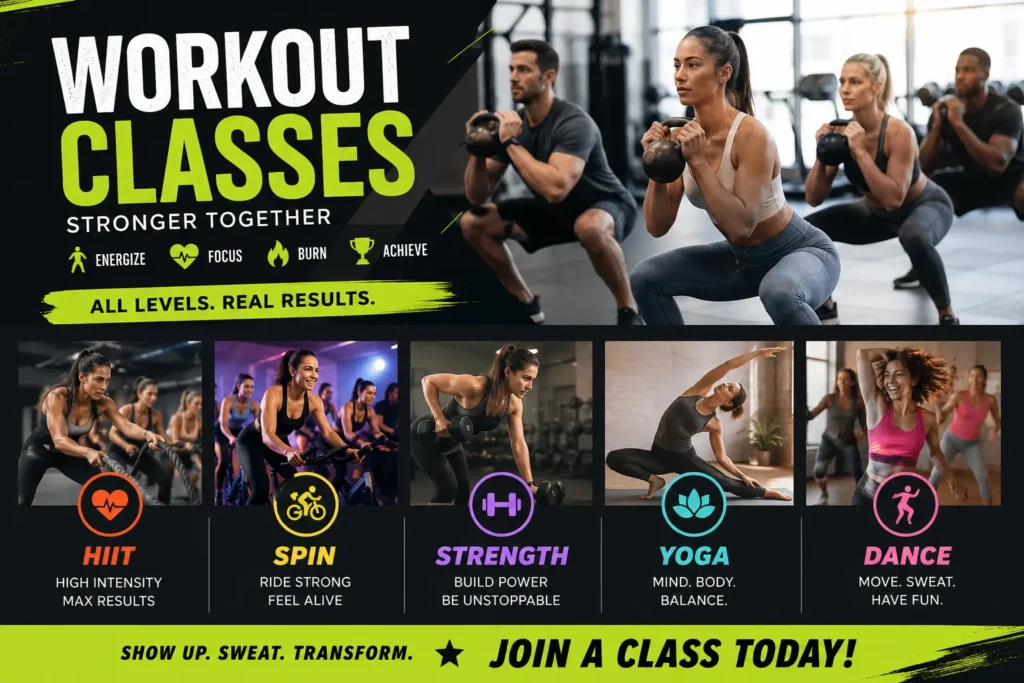
What Are Workout Classes
Workout classes are organized fitness sessions led by trained instructors. These classes usually follow a structured routine that combines warm up exercises, movement training, strength work, and recovery.
Unlike random gym sessions, classes help participants stay focused. The instructor guides every movement, which reduces confusion and improves exercise form.
Many fitness centers now offer a wide variety of options including strength sessions, bodyweight circuits, resistance training programs, cardio workouts, flexibility sessions, and functional fitness classes.
Students often prefer group classes because they create a social and energetic atmosphere. Adults appreciate the time efficiency and professional guidance that comes with a scheduled routine.
Why Group Training Works Well
People are more likely to stay committed when they exercise with others. A group environment creates accountability and motivation.
For example, a college student preparing for exams may skip solo workouts regularly. However, attending a scheduled evening class with friends increases consistency. The same applies to working professionals who need structured exercise after long office hours.
Understanding Resistance Training
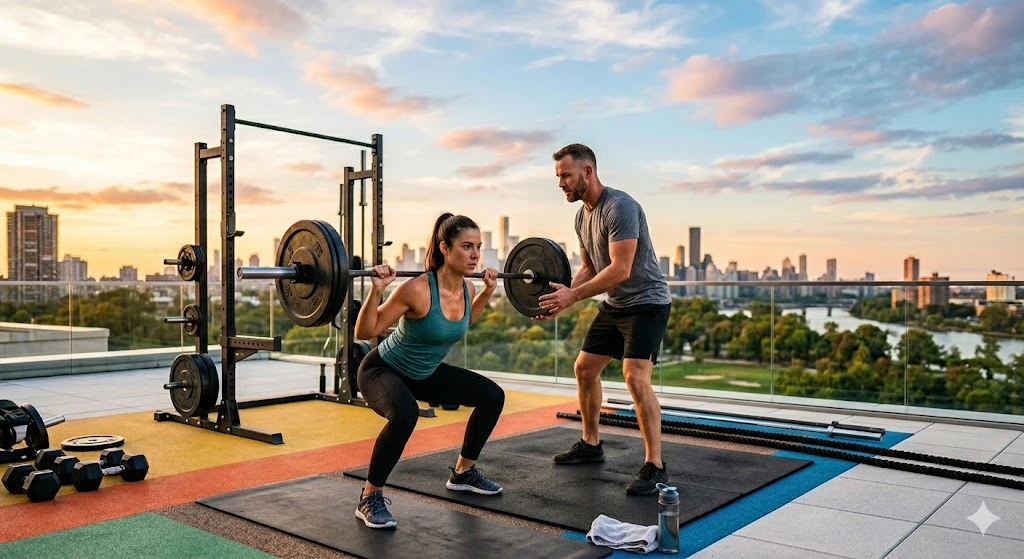
Resistance training focuses on improving muscle strength by making muscles work against resistance. This resistance can come from weights, resistance bands, machines, or even body weight exercises.
Some common resistance training exercises include:
Squats
Squats strengthen the legs, hips, and core. They also improve balance and movement control.
Push Ups
Push ups build upper body strength and improve endurance.
Dumbbell Rows
This exercise targets the back muscles and supports better posture.
Resistance Band Exercises
Bands are excellent for beginners because they provide controlled resistance without heavy equipment.
How Resistance Training Helps the Body
Resistance training does much more than increase muscle size. It supports overall health in several ways.
Improves Bone Strength
Strength exercises place healthy stress on bones, which helps improve bone density over time.
Increases Metabolism
Muscle tissue burns more calories than fat tissue. This means resistance training can support weight management.
Reduces Injury Risk
Stronger muscles and joints improve body stability and movement control.
Supports Mental Health
Many people experience reduced stress and better mood after consistent training sessions.


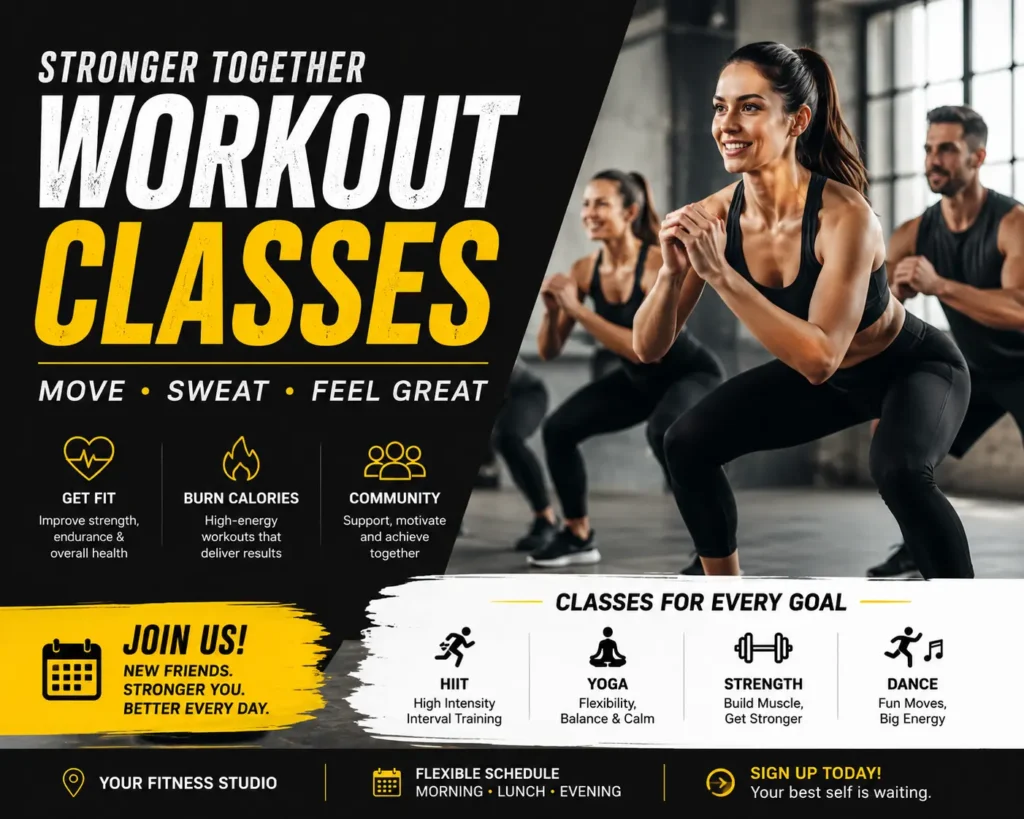
Benefits of Workout Classes for Students and Adults
Better Time Management
Scheduled workout classes help people organize their day more effectively. Students can fit classes around study sessions while adults can train before or after work.
Improved Discipline
Regular attendance creates healthy habits. Over time, exercise becomes a normal part of daily life instead of a temporary activity.
Increased Confidence
As strength and fitness improve, confidence often improves as well. People feel stronger physically and mentally.
Safer Exercise Experience
Qualified trainers correct exercise form and reduce the chances of injury.
Consistent Progress
A structured class program allows gradual improvement instead of random workouts without direction.
Types of Resistance Training Classes
Strength Training Classes
These sessions focus on controlled weight training and muscle development.
Functional Fitness Classes
Functional workouts improve movements used in daily life such as lifting, bending, and carrying.
Circuit Training
Participants move through several exercises with short rest periods. This style improves both strength and endurance.
Beginner Resistance Classes
These classes are designed for people who are new to exercise. Trainers focus heavily on proper technique and safe movement patterns.
High Intensity Group Sessions
These workouts combine resistance exercises with faster paced movements for calorie burning and conditioning.
How to Choose the Right Workout Class
Choosing the right class depends on personal goals, fitness level, and schedule.
Consider Your Fitness Goal
Someone focused on weight loss may enjoy circuit based classes while another person interested in strength may prefer dedicated resistance training sessions.
Check Instructor Experience
A knowledgeable trainer can make a major difference in exercise quality and safety.
Start With Beginner Friendly Sessions
Many people try advanced classes too early and feel discouraged. Starting with basics builds confidence and proper movement habits.
Look for a Comfortable Environment
A welcoming training environment helps people stay consistent.
Common Mistakes Beginners Make
Ignoring Recovery
Many beginners believe daily intense training gives faster results. In reality, muscles need time to recover and grow stronger.
Poor Exercise Form
Using incorrect technique can lead to discomfort and injury.
Comparing Progress With Others
Every person progresses differently depending on age, fitness history, sleep, nutrition, and consistency.
Skipping Warm Up Sessions
Warm ups prepare the muscles and joints for movement. Skipping them increases injury risk.
Best Practices for Better Results
Focus on Consistency
Three quality workouts every week are often more effective than one extreme session.
Eat Balanced Meals
Protein, carbohydrates, healthy fats, and hydration support training performance and recovery.
Track Progress
Keeping a simple fitness journal helps people stay motivated and notice improvements.
Listen to Your Body
Some soreness is normal, but sharp pain should never be ignored.
Real Life Fitness Examples
A university student joined beginner workout classes to improve energy levels and reduce stress during exams. Within three months, attendance improved, sleep quality became better, and overall fitness increased noticeably.
Similarly, a working professional in his late thirties started resistance training classes after experiencing back discomfort from long office hours. With proper guidance and consistent exercise, posture improved and daily pain reduced significantly.
These examples show that fitness is not limited to athletes or experienced gym members. Structured workout classes can benefit almost anyone.
FAQ Section
Are workout classes good for beginners?
Yes. Many workout classes are specifically designed for beginners and include guided instruction with safe progressions.
How often should I attend workout classes?
Most people benefit from attending three to five classes each week depending on recovery and fitness goals.
Is resistance training safe for students?
Yes. When supervised properly, resistance training is safe and highly beneficial for students.
Can workout classes help with weight loss?
Yes. Consistent exercise combined with healthy eating can support long term weight management.
Do I need gym experience before joining a class?
No. Most instructors guide participants through each exercise step by step.
Conclusion
Workout classes provide structure, motivation, and professional guidance for people who want to improve their fitness safely and consistently. When resistance training becomes part of the routine, the benefits extend beyond physical appearance. Strength, posture, energy, confidence, and overall health often improve together.
Both students and adults can benefit from organized fitness programs that match their lifestyle and goals. The key is to stay consistent, train with proper technique, and focus on long term progress instead of quick results.
CTA
If you are thinking about improving your fitness routine, start with workout classes that match your comfort level and schedule. A simple first step can lead to long lasting health and strength improvements.