
Introduction
Starting a fitness journey is exciting, but many beginners struggle because they follow random workout plans from social media or copy routines that do not match their body type or fitness level. This is where a certified fitness trainer becomes valuable. A professional trainer understands exercise science, recovery, muscle growth, nutrition basics, and proper training structure.
A well planned bodybuilding training schedule does much more than increase muscle size. It improves discipline, physical strength, posture, confidence, and overall health. Whether you are a gymfreak aiming for serious muscle gains or a student trying to build fitness alongside studies, understanding how structured training works can save months of confusion and frustration.
This guide explains how certified trainers create effective bodybuilding routines, common mistakes people make, and practical methods that actually help build long term results.
Table of Contents
- What Does a Certified Fitness Trainer Do
- Why Bodybuilding Needs Structured Training
- Understanding a Bodybuilding Training Schedule
- Beginner Weekly Workout Plan
- Nutrition and Recovery Basics
- Common Training Mistakes
- Best Practices Used by Experienced Trainers
- How Students Can Balance Fitness and Study
- Choosing the Right Certified Fitness Trainer
- FAQs
- Conclusion
- CTA

What Does a Certified Fitness Trainer Do
A certified fitness trainer is trained to guide people safely through workouts, strength programs, fat loss plans, and muscle building routines. Certification matters because it shows the trainer understands anatomy, movement patterns, exercise programming, and injury prevention.
Many people think trainers only count repetitions or motivate clients during workouts. In reality, experienced trainers do much more.
They help clients:
Build Safe Workout Programs
A trainer designs workouts based on age, body composition, strength level, recovery ability, and goals.
Improve Exercise Form
Incorrect form often leads to injuries. Certified trainers correct posture and movement patterns during exercises like squats, deadlifts, and bench presses.
Track Progress
Professional trainers monitor strength increases, body measurements, and workout performance over time.
Prevent Overtraining
Many gym beginners train too hard without enough recovery. Trainers understand how to balance intensity and rest.
For example, a college student trying to gain muscle may think training chest every day will speed up growth. A certified trainer knows muscles need proper recovery to grow effectively.

Why Bodybuilding Needs Structured Training
Bodybuilding is not simply lifting heavy weights. Muscle growth depends on progressive overload, nutrition, sleep, and consistency.
A random workout routine creates random results.
A structured bodybuilding training schedule helps:
Improve Muscle Recovery
Different muscle groups require time to recover after intense sessions.
Increase Training Efficiency
Planned workouts prevent wasted effort and unnecessary fatigue.
Reduce Injury Risk
Balanced routines protect joints and muscles from excessive strain.
Build Long Term Consistency
People stay motivated when they follow a clear schedule with measurable progress.
One of the biggest differences between beginners and experienced athletes is structure. Advanced lifters rarely train without a plan.
Understanding a Bodybuilding Training Schedule
A bodybuilding training schedule organizes workouts throughout the week to maximize muscle growth and recovery.
Here is a common weekly split used by many certified fitness trainers.
Monday
Chest and triceps
Tuesday
Back and biceps
Wednesday
Rest or light cardio
Thursday
Shoulders and abs
Friday
Leg training
Saturday
Full body workout or weak muscle focus
Sunday
Rest and recovery
This structure allows each muscle group enough time to recover while maintaining training intensity.
Important Elements in Every Schedule
Progressive Overload
Gradually increasing weight or repetitions forces muscles to adapt and grow stronger.
Compound Exercises
Exercises like squats, deadlifts, pull ups, and bench presses build overall strength faster.
Recovery Time
Muscles grow during recovery, not during workouts.
Mobility Work
Stretching and warm ups improve flexibility and reduce stiffness.
Beginner Weekly Workout Plan
Many beginners make the mistake of copying advanced bodybuilders online. A beginner needs a simpler and more manageable routine.
Day 1 Upper Body
Push ups
Bench press
Lat pulldown
Shoulder press
Bicep curls
Day 2 Lower Body
Squats
Lunges
Leg press
Calf raises
Core exercises
Day 3 Rest
Light walking or stretching
Day 4 Full Body
Deadlifts
Pull ups
Dumbbell press
Planks
Day 5 Cardio and Core
Cycling
Treadmill walking
Russian twists
Leg raises
This schedule works well for students and working adults because it balances recovery with consistency.



Nutrition and Recovery Basics
Even the best bodybuilding training schedule fails without proper nutrition.
Protein Intake Matters
Muscles require protein for repair and growth. Good protein sources include:
Eggs
Chicken
Paneer
Fish
Greek yogurt
Lentils
Sleep Supports Muscle Growth
Most muscle recovery happens during sleep. Lack of sleep reduces strength and energy.
Experienced trainers usually recommend seven to eight hours of sleep daily.
Hydration Improves Performance
Dehydration reduces endurance and workout quality. Drinking enough water is essential for recovery and strength.
Common Training Mistakes
Many gym beginners lose motivation because of unrealistic expectations or poor habits.
Skipping Leg Day
Ignoring lower body training creates muscular imbalance and weak overall strength.
Training Too Heavy Too Soon
Trying to lift maximum weight early often causes injuries.
Poor Exercise Form
Ego lifting damages joints and reduces muscle activation.
Ignoring Recovery
Overtraining leads to fatigue, poor performance, and slower muscle growth.
Changing Programs Too Often
Muscle building requires consistency. Switching routines every week prevents progress.
Best Practices Used by Experienced Trainers
Certified trainers follow methods based on practical experience and exercise science.
Focus on Technique First
Correct form always matters more than heavy weight.
Keep Workouts Simple
Simple routines performed consistently often produce better results than overly complicated plans.
Track Every Workout
Recording repetitions, weights, and sets helps monitor progress.
Understand Individual Differences
Every person responds differently to training volume and intensity.
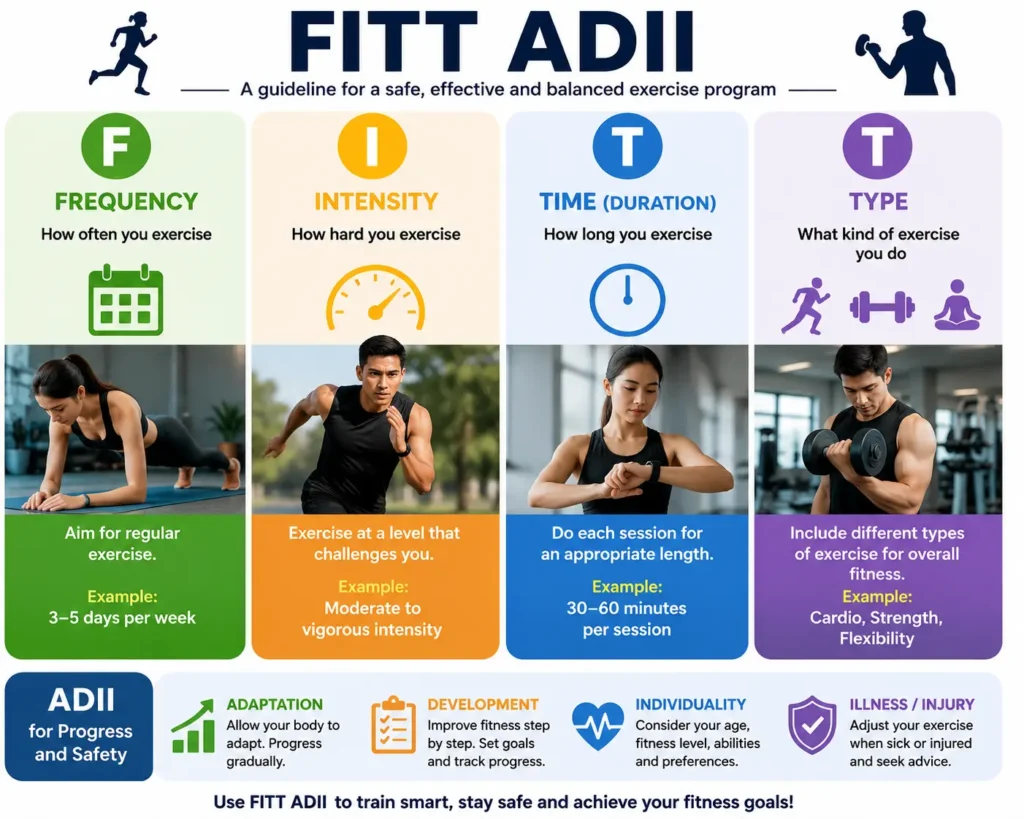
For example, some students recover quickly and can train five days weekly, while others perform better with three or four focused sessions.
How Students Can Balance Fitness and Study
Students often struggle to stay consistent because of exams, assignments, and irregular schedules.
Here are practical solutions.
Train Early Morning
Morning workouts reduce the chance of skipping sessions later.
Keep Sessions Short
A focused forty five minute workout can still produce excellent results.
Prioritize Recovery During Exams
Reducing workout intensity temporarily helps maintain energy and focus.
Meal Preparation Helps
Preparing simple meals in advance prevents unhealthy eating habits.
Consistency matters more than perfection.
Choosing the Right Certified Fitness Trainer
Not every trainer provides the same quality of guidance.
Here are important factors to consider.
Certification and Education
Look for trainers with recognized fitness certifications.
Communication Skills
A good trainer explains exercises clearly and listens carefully.
Experience Level
Experienced trainers understand how to adjust workouts based on injuries, recovery, and body type.
Realistic Approach
Avoid trainers who promise extremely fast transformations.
Fitness progress takes time, patience, and discipline.
FAQ Section
What is a certified fitness trainer?
A certified fitness trainer is a professional who has completed fitness education and certification programs to safely guide clients through exercise and strength training.
Why is a bodybuilding training schedule important?
A bodybuilding training schedule improves muscle recovery, workout consistency, and long term muscle growth.
How many days should beginners train?
Most beginners perform well with three to five training days per week depending on recovery and lifestyle.
Can students build muscle with limited time?
Yes. Short and focused workouts combined with proper nutrition can help students gain muscle effectively.
How long does it take to see bodybuilding results?
Most people notice early strength improvements within four to six weeks when training consistently and eating properly.
Conclusion
Working with a certified fitness trainer can completely change the way people approach bodybuilding and fitness. Structured planning, proper exercise form, recovery management, and realistic progress tracking all play an important role in long term success.
A smart bodybuilding training schedule is not about exhausting the body every day. It is about training with purpose, recovering properly, and building sustainable habits. Whether you are a dedicated gymfreak or a student managing a busy schedule, consistency and proper guidance will always produce better results than shortcuts.
CTA
If you are serious about building strength, improving fitness, and creating long term results, start with a structured workout routine and focus on proper technique from the beginning. Small improvements every week lead to major progress over time.