
Introduction
Walking into a gym for the first time can feel exciting, but it can also be overwhelming. With so many machines, workout routines, and fitness advice available, many people struggle to know where to begin. This is where a gym instructor becomes valuable.
A gym instructor helps people exercise safely, effectively, and confidently. Whether you are a student looking to improve athletic performance or an adult trying to lose weight and stay healthy, the guidance of a qualified professional can make a significant difference. A skilled fitness instructor not only teaches exercises but also helps build healthy habits that support long term wellness.
In this guide, you will learn what a gym instructor does, the skills they need, the benefits they provide, and how to choose the right professional for your fitness journey.
Table of Contents
- What Is a Gym Instructor?
- Responsibilities of a Fitness Instructor
- Benefits of Working With a Gym Instructor
- Essential Skills Every Gym Instructor Should Have
- Gym Instructor vs Personal Trainer
- How Students Can Benefit From Fitness Guidance
- How Adults Can Achieve Better Results
- Common Mistakes People Make Without Professional Help
- Tips for Choosing the Right Gym Instructor
- Frequently Asked Questions
- Conclusion
- Call to Action
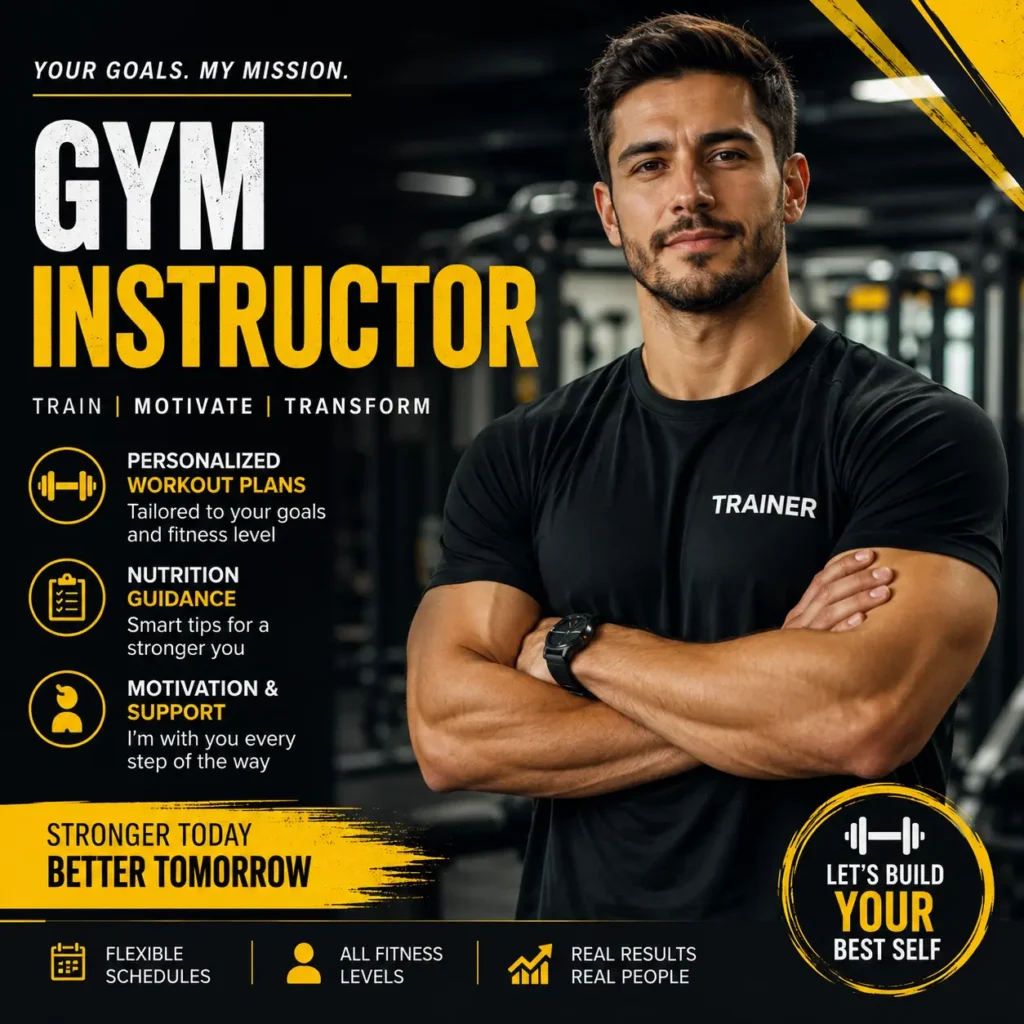
What Is a Gym Instructor?
A gym instructor is a fitness professional who helps members use gym equipment correctly and perform exercises safely. They guide individuals through workouts, explain exercise techniques, and provide general fitness support.
Unlike simply following online videos, working with a professional allows people to receive personalized advice based on their goals, fitness level, and physical condition.
Many gym instructors also assist with:
Creating Basic Workout Plans
They help members establish routines that match their objectives such as weight loss, muscle building, or improving endurance.
Demonstrating Proper Exercise Form
Correct technique reduces injury risk and improves workout effectiveness.
Monitoring Progress
Regular assessments help individuals stay motivated and adjust their fitness plans when needed.
Responsibilities of a Fitness Instructor
A fitness instructor performs many important duties inside a gym environment.
Guiding Members During Workouts
One of the primary responsibilities is ensuring exercises are performed correctly. Proper posture and movement patterns improve results and prevent injuries.
Promoting Safety
Fitness professionals educate members about safe training practices and equipment usage.
Encouraging Consistency
Many people start exercising enthusiastically but struggle to maintain momentum. Instructors provide motivation and accountability.
Supporting Different Fitness Levels
From beginners to experienced gym members, instructors adapt guidance according to individual abilities.
Benefits of Working With a Gym Instructor
Professional guidance often leads to faster and safer progress.
Improved Exercise Technique
Many people unknowingly perform exercises incorrectly. Small form mistakes can reduce effectiveness and increase injury risk.
For example, a student performing squats with poor posture may experience knee discomfort. A gym instructor can identify the issue and correct the movement immediately.
Better Motivation
Motivation naturally fluctuates. Having someone monitor your progress encourages consistency.
Personalized Fitness Advice
Every person has different goals. Some want to lose weight, while others want to gain strength or improve athletic performance.
A fitness instructor can recommend exercises that align with specific objectives.
Increased Confidence
Beginners often feel uncertain in a gym environment. Professional support helps them feel comfortable using equipment and following workout routines.
Essential Skills Every Gym Instructor Should Have
The best gym instructors possess a combination of technical knowledge and interpersonal skills.
Communication Skills
Clear instructions help members understand exercises and training concepts.
Knowledge of Exercise Science
Understanding anatomy, muscle function, and training principles allows instructors to provide accurate guidance.
Patience
People learn at different speeds. A patient instructor creates a supportive environment.
Motivation and Leadership
Strong encouragement helps members remain committed to their fitness goals.
Problem Solving Ability
Fitness journeys rarely follow a perfect path. Effective instructors adapt plans when challenges arise.
Gym Instructor vs Personal Trainer
Many people use these terms interchangeably, but there are differences.
| Gym Instructor | Personal Trainer |
|---|---|
| Provides general gym guidance | Offers individualized training |
| Assists multiple members | Works closely with one client |
| Focuses on equipment use and safety | Creates customized fitness plans |
| Available on the gym floor | Usually provides dedicated sessions |
Both professionals contribute to fitness success, but personal trainers generally provide more personalized support.
How Students Can Benefit From Fitness Guidance
Students often balance academics, social activities, and extracurricular responsibilities. Fitness can improve both physical and mental performance.
Better Focus and Concentration
Regular exercise supports cognitive function and helps students stay alert during studies.
Improved Sports Performance
Students involved in athletics can develop strength, endurance, and flexibility under professional supervision.
Healthy Lifestyle Habits
Learning proper exercise techniques at a young age encourages lifelong fitness habits.
Example
A college student preparing for competitive sports may work with a gym instructor to improve speed, strength, and recovery while reducing injury risk.
How Adults Can Achieve Better Results
Adults often face challenges such as busy schedules, work stress, and family responsibilities.
Efficient Workouts
A fitness instructor helps maximize workout effectiveness within limited time.
Weight Management
Structured exercise plans support sustainable fat loss and healthier body composition.
Increased Energy Levels
Regular physical activity can improve daily energy and productivity.
Healthy Aging
Strength training and mobility exercises support joint health, balance, and functional movement as people age.
Common Mistakes People Make Without Professional Help
Many beginners encounter similar challenges.
Using Incorrect Form
Poor technique can limit results and increase injury risk.
Doing Too Much Too Soon
Excessive training often leads to fatigue and burnout.
Following Random Online Advice
Not every workout is suitable for every individual.
Ignoring Recovery
Rest, hydration, and sleep play essential roles in fitness progress.
Lack of Consistency
Many people focus on short term effort instead of building sustainable habits.
Tips for Choosing the Right Gym Instructor
Selecting the right professional can greatly influence your experience.
Check Qualifications
Look for recognized fitness certifications and ongoing education.
Evaluate Communication Style
Choose someone who explains concepts clearly and listens carefully.
Consider Experience
An instructor with experience working with your goals can provide more effective guidance.
Observe Their Approach
A good instructor prioritizes safety, technique, and long term progress.
Read Reviews and Testimonials
Feedback from current or previous members can provide useful insights.



Frequently Asked Questions
1. What does a gym instructor do?
A gym instructor helps members use equipment safely, teaches exercise techniques, and provides general fitness guidance.
2. Is a gym instructor suitable for beginners?
Yes. Beginners often benefit greatly from professional guidance because it helps them learn proper exercise habits from the start.
3. What qualifications should a fitness instructor have?
A qualified fitness instructor should hold recognized fitness certifications and possess knowledge of exercise science and safety practices.
4. How often should I work with a gym instructor?
This depends on your goals, experience level, and budget. Many people benefit from regular sessions during the early stages of training.
5. Can a gym instructor help with weight loss?
Yes. They can recommend exercise programs, support consistency, and provide guidance that contributes to weight management goals.
Conclusion
A gym instructor plays an important role in helping people exercise safely, efficiently, and confidently. Whether you are a student seeking better athletic performance or an adult working toward improved health, professional guidance can make your fitness journey more productive and enjoyable.
A knowledgeable fitness instructor provides more than exercise demonstrations. They offer motivation, education, accountability, and support that can help individuals achieve lasting results. Investing time in learning from a qualified professional often leads to better habits, fewer injuries, and greater long term success.
Call to Action
If you are beginning your fitness journey or looking to improve your current routine, consider working with a qualified gym instructor. Professional guidance can help you build confidence, improve technique, and create a sustainable path toward your health and fitness goals.