
Introduction
A good workout trainer can completely change the way people approach fitness. Many students and adults begin exercising with motivation, but they often struggle to stay consistent or follow the right routine. That is where proper guidance becomes valuable. A workout trainer helps create structure, improve technique, and build a plan that matches individual fitness goals.
Strength and conditioning workout programs are no longer limited to athletes. Today, office workers, college students, beginners, and busy adults use these workouts to improve energy levels, increase muscle strength, and stay active. A balanced routine can also support posture, stamina, flexibility, and long term health.
The biggest advantage of working with a trainer is learning how to train smarter instead of simply training harder. With the right approach, even small changes in daily fitness habits can produce noticeable results over time.
Table of Contents
- What Does a Workout Trainer Do
- Understanding Strength and Conditioning Workout Plans
- Benefits for Students and Adults
- Important Elements of a Good Training Program
- Common Workout Mistakes People Make
- How to Choose the Right Workout Trainer
- Sample Weekly Strength and Conditioning Routine
- Best Practices for Better Results
- Frequently Asked Questions
- Conclusion
What Does a Workout Trainer Do
A workout trainer guides people through safe and effective exercise routines. Their role goes beyond counting repetitions or assigning exercises. A skilled trainer understands body movement, recovery, nutrition basics, and training progression.
Many beginners join gyms and copy random exercises from social media. Unfortunately, this often leads to poor posture, injuries, or frustration. A trainer helps avoid these issues by teaching proper movement patterns and realistic goal setting.
For example, a college student who wants to improve stamina for sports may require a different plan compared to an adult who wants weight loss and muscle strength. A trainer adjusts workouts based on age, fitness level, lifestyle, and recovery ability.
Experienced trainers also monitor progress and make changes when needed. This helps people stay motivated and avoid workout plateaus.
Understanding Strength and Conditioning Workout Plans
A strength and conditioning workout combines muscle building exercises with activities that improve endurance, balance, flexibility, and overall physical performance.
Strength training usually includes exercises such as:
Resistance exercises
Squats
Push ups
Deadlifts
Lunges
Bench press
Conditioning exercises may include:
Cardiovascular and endurance activities
Jump rope
Sprinting
Cycling
Circuit training
Rowing
The purpose is not just to build muscles. A complete program improves the body’s ability to perform everyday activities with less fatigue and better control.
For students, this can improve sports performance and concentration levels. For adults, it helps maintain mobility, reduce stress, and support healthy aging.
Benefits for Students and Adults
Better Energy Levels
Many people feel tired because of long study hours, desk jobs, or poor daily movement. Regular exercise improves blood circulation and oxygen flow, which naturally supports energy levels throughout the day.
Improved Strength and Posture
A proper workout routine strengthens muscles that support the spine and joints. This becomes especially important for adults who sit for long periods at work.
Mental Focus and Stress Relief
Exercise supports mental well being. Students often report improved concentration during exams, while working adults notice reduced stress after consistent training.
Long Term Health Support
Strength and conditioning workout plans may help support healthy bones, heart health, and metabolism. Consistent movement also reduces the risk of lifestyle related health problems over time.
Important Elements of a Good Training Program
Warm Up Sessions
Skipping warm ups is one of the most common mistakes in fitness. A proper warm up prepares the muscles and joints for movement. Even five to ten minutes of mobility work can reduce injury risk.
Progressive Overload
The body improves when exercises gradually become more challenging. This does not mean lifting extremely heavy weights immediately. Progress can come from better form, increased repetitions, or slightly higher resistance.
Recovery and Rest
Recovery is often ignored by beginners. Muscles need time to repair and grow. Overtraining usually leads to fatigue and poor performance.
A knowledgeable workout trainer includes rest days and recovery sessions in the plan.
Nutrition Awareness
Fitness results depend heavily on eating habits. Trainers often encourage balanced meals with protein, healthy carbohydrates, hydration, and proper meal timing.
Common Workout Mistakes People Make
Training Without a Plan
Many people enter the gym without knowing what exercises to perform. Random workouts rarely produce consistent results.
Poor Exercise Technique
Bad posture during exercises may create unnecessary stress on joints and muscles. This becomes dangerous during strength training movements.
Ignoring Recovery
Some people believe more workouts automatically mean faster results. In reality, recovery is essential for muscle growth and injury prevention.
Unrealistic Expectations
Fitness progress takes time. Quick transformation promises usually create disappointment. Sustainable routines produce better long term results.
How to Choose the Right Workout Trainer
Not every trainer follows the same approach. Choosing the right person can make a major difference in fitness progress.
Here are a few things to look for:
Experience and Communication
A good trainer explains exercises clearly and listens carefully to client concerns.
Personalized Programs
Avoid trainers who give identical plans to every client. Fitness routines should match individual goals and physical condition.
Focus on Safety
Professional trainers prioritize correct form and injury prevention instead of pushing unsafe workouts.
Consistency and Motivation
A supportive trainer helps clients stay accountable and motivated during difficult phases.
Sample Weekly Strength and Conditioning Routine
Here is a simple example for beginners:
Monday
Upper body strength training
Tuesday
Light cardio and mobility exercises
Wednesday
Lower body workout and core training
Thursday
Recovery and stretching session
Friday
Full body strength and conditioning workout
Saturday
Outdoor activity such as cycling or jogging
Sunday
Rest and recovery
This balanced structure helps improve strength while giving the body enough recovery time.
Best Practices for Better Results
Stay Consistent
Results come from regular effort over time. Missing one workout is not a problem, but quitting completely slows progress.
Track Progress
Simple tracking methods such as workout logs or monthly photos help measure improvement.
Focus on Technique First
Correct movement quality matters more than heavy lifting.
Sleep Properly
Recovery during sleep supports muscle repair and mental focus.
Set Realistic Goals
Small goals create better long term consistency and confidenc
Frequently Asked Questions
What does a workout trainer actually do?
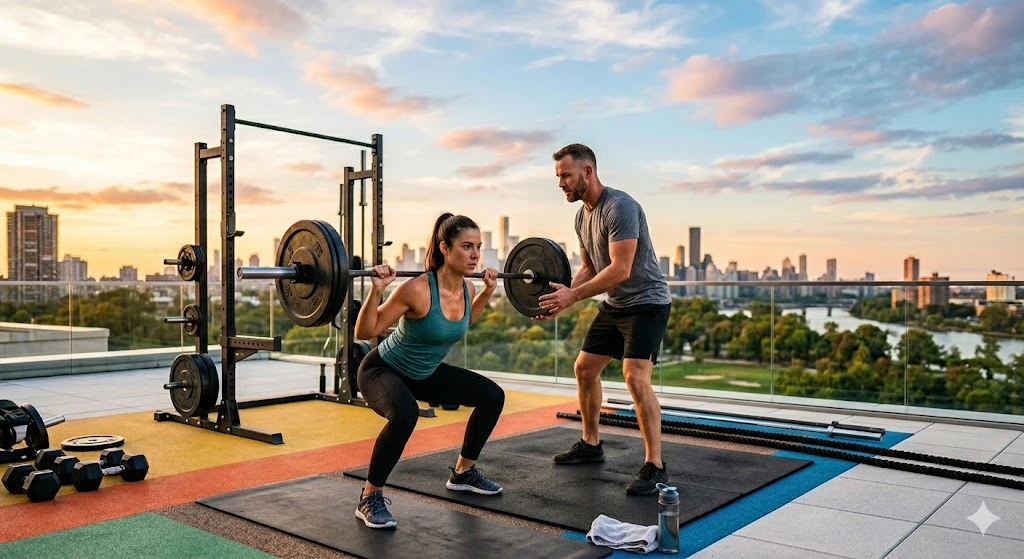
A workout trainer creates exercise plans, teaches proper form, tracks progress, and helps clients achieve fitness goals safely.
Is strength and conditioning workout good for beginners?
Yes. Beginners can start with simple bodyweight exercises and gradually progress under proper guidance.
How many days per week should I train?
Most beginners benefit from three to five workout sessions per week depending on recovery and fitness goals.
Can students benefit from workout training?
Absolutely. Students often improve stamina, focus, posture, and confidence through regular fitness routines.
Do I need heavy weights for strength training?
No. Strength can improve using bodyweight exercises, resistance bands, or moderate weights with proper technique.
Conclusion
A workout trainer provides more than exercise instructions. They offer structure, accountability, and practical guidance that helps people train safely and effectively. Whether the goal is improving stamina, building strength, reducing stress, or staying active, a well planned strength and conditioning workout can support long term physical and mental health.
Students and adults alike benefit from consistent training habits, proper recovery, and realistic expectations. Fitness progress does not happen overnight, but steady effort and smart guidance create lasting results.
CTA
If you are planning to begin a fitness journey, start with a routine that matches your lifestyle and current ability level. A qualified workout trainer can help you build confidence, improve technique, and stay consistent with your goals.